Explore ARCs
-
Updated
-
SHAPE / Shape
Creative Commons Attribution 4.0 InternationalUpdated -
SFB1535_MibiNet / 2024_Devan-Sai_et_al_PNAS
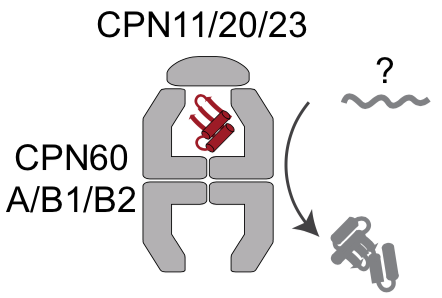
Creative Commons Attribution 4.0 InternationalMicrotubule-dependent endosomal transport is crucial for polar growth, ensuring the precise distribution of cellular cargos such as proteins and mRNAs. However, the molecular mechanism linking mRNAs to the endosomal surface remains poorly understood. Here, we present a structural analysis of the key RNA-binding protein Rrm4 from Ustilago maydis. Our findings reveal a different type of MademoiseLLE domain (MLLE) featuring a seven-helical bundle that provides a distinct binding interface. A comparative analysis with the canonical MademoiseLLE domain of the poly(A)-binding protein Pab1 disclosed unique characteristics of both domains. Deciphering the MLLE binding code enabled prediction and verification of previously unknown Rrm4 interactors containing short linear motifs. Importantly, we demonstrated that the human MLLE domains, such as those of PABPC1 and UBR5, employed a similar principle to distinguish among interaction partners. Thus, our study provides detailed mechanistic insights into how structural variations in the widely distributed MLLE domain facilitate mRNA attachment during endosomal transport.
Updated -
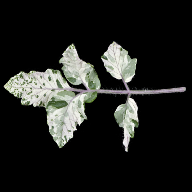
Genome sequencing of blackcurrant (Ribes nigrum)
Updated -
Niraj Kandpal / LarvaeDrosophila
Creative Commons Attribution 4.0 InternationalUpdated -
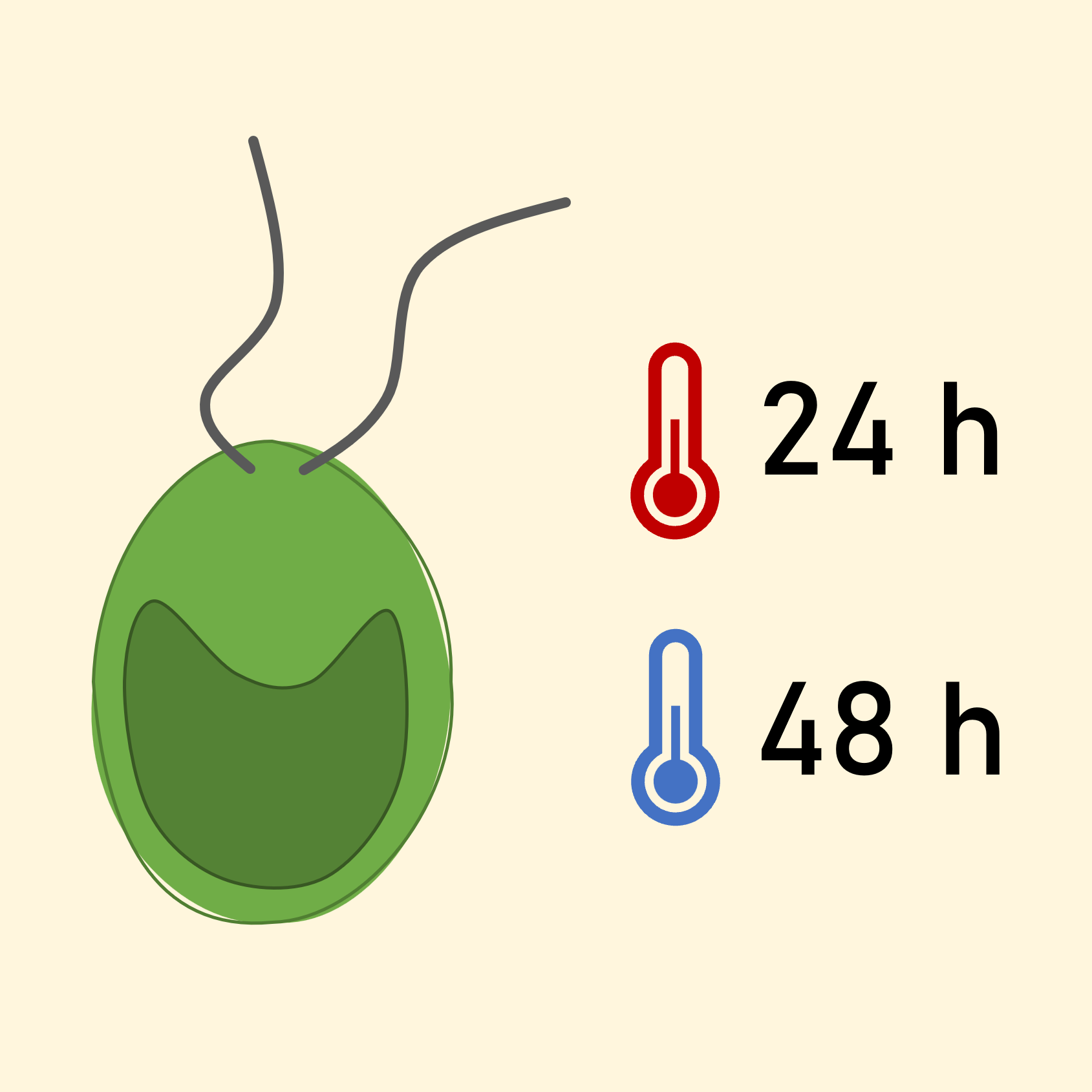
Algae cultures were grown mixotrophically (TAP). After 24h of 35°C/40°C the cells were shifted back to room temperature for 48h. 'omics samples were taken.
Updated -
Updated
-
Updated
-
MAdLand Project - Höcker Lab
Co-action of COP1, SPA and cryptochrome in light signal transduction and photomorphogenesis of the moss Physcomitrium patens
The Arabidopsis COP1/SPA ubiquitin ligase suppresses photomorphogenesis in darkness. In the light, photoreceptors inactivate COP1/SPA to allow a light response. While SPA genes are specific to the green lineage, COP1 also exists in humans. This raises the question of when in evolution plant COP1 acquired the need for SPA accessory proteins. We addressed this question by generating Physcomitrium Ppcop1 mutants and comparing their visible and molecular phenotypes with those of Physcomitrium Ppspa mutants. The phenotype of Ppcop1 nonuple mutants resembles that of Ppspa mutants. Most importantly, both mutants produce green chloroplasts in complete darkness. They also exhibit dwarfed gametophores, disturbed branching of protonemata and absent gravitropism. RNA-sequencing analysis indicates that both mutants undergo weak constitutive light signaling in darkness. PpCOP1 and PpSPA proteins form a complex and they interact via their WD repeat domains with the VP motif of the cryptochrome CCE domain in a blue light-dependent manner. This resembles the interaction of Arabidopsis SPA proteins with Arabidopsis CRY1, and is different from that with Arabidopsis CRY2. Taken together, the data indicate that PpCOP1 and PpSPA act together to regulate growth and development of Physcomitrium. However, in contrast to their Arabidopsis orthologs, PpCOP1 and PpSPA proteins execute only partial suppression of light signaling in darkness. Hence, additional repressors may exist that contribute to the repression of a light response in dark-exposed Physcomitrium.
The Plant Journal 114: 159–175; https://doi.org/10.1111/tpj.16128
Updated -
Updated
-
-
-
CEPLAS / Getzke-2023
Creative Commons Attribution Non Commercial No Derivatives 4.0 InternationalCofunctioning of bacterial exometabolites drives root microbiota establishment
Updated -
HHU Plant Biochemistry / Maleckova-2019-Talinum-ABA
Creative Commons Attribution 4.0 InternationalTranscript and metabolite changes during the early phase of abscisic acid-mediated induction of crassulacean acid metabolism in Talinum triangulare
Updated -
CEPLAS / Wippel-2021
Creative Commons Attribution 4.0 InternationalHost preference and invasiveness of commensal bacteria in the Lotus and Arabidopsis root microbiota
Updated -
SFB1535_MibiNet / Sankaranarayanan-2023
Creative Commons Attribution 4.0 InternationalFungal pathogens depend on sophisticated gene expression programs for successful infection. A crucial component is RNA regulation mediated by RNA-binding proteins (RBPs). However, little is known about the spatiotemporal RNA control mechanisms during fungal pathogenicity. Here, we discover that the RBP Khd4 defines a distinct mRNA regulon to orchestrate membrane trafficking during pathogenic development of Ustilago maydis. By establishing hyperTRIBE for fungal RBPs, we generated a comprehensive transcriptome-wide map of Khd4 interactions in vivo. We identify a defined set of target mRNAs enriched for regulatory proteins involved, e.g., in GTPase signaling. Khd4 controls the stability of target mRNAs via its cognate regulatory element AUACCC present in their 3′ untranslated regions. Studying individual examples reveals a unique link between Khd4 and vacuole maturation. Thus, we uncover a distinct role for an RNA stability factor defining a specific mRNA regulon for membrane trafficking during pathogenicity.
Updated