Explore ARCs
-
Zarah Sorger / GH25_Sorger_2025
Creative Commons Attribution Share Alike 4.0 InternationalUpdated -
SFB1535_MibiNet / Kaplunova_2025_TPJ
Creative Commons Attribution 4.0 InternationalArtificial Soil (ArtSoil): recreating soil conditions in synthetic plant growth media
Updated -
Updated
-
Usadellab / Barvista_ARC
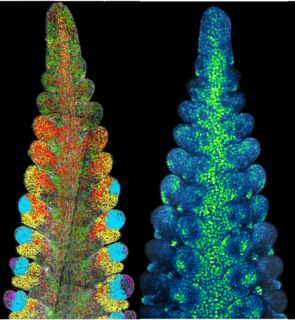
Creative Commons Attribution 4.0 InternationalEarly patterning of organ primordia during barley meristem development uncovered by imputation of gene expression at single cell level.
Updated -
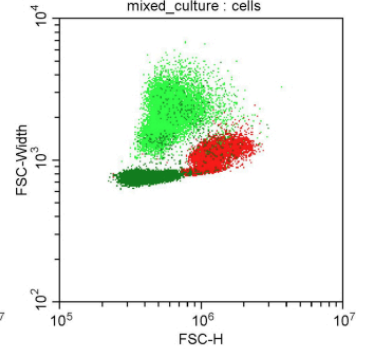
Assembly and Quantification of Co-Cultures Combining Heterotrophic Yeast with Phototrophic Sugar-Secreting Cyanobacteria
Updated -
MAdLand Project - Erika Csicsely, Oguz Top, Wolfgang Frank et al.
This ARC accompanies the publication in Plant Journal: https://doi.org/10.1111/tpj.17236
DICER-LIKE (DCL) proteins play a central role in plant small RNA (sRNA) biogenesis. The genome of the early land plant Marchantia polymorpha encodes four DCL proteins: MpDCL1a, MpDCL1b, MpDCL3, and MpDCL4. While MpDCL1a, MpDCL3 and MpDCL4 show high similarities to their orthologs in Physcomitrium patens and Arabidopsis thaliana, MpDCL1b shares only a limited homology with PpDCL1b, but it is very similar, in terms of functional domains, to orthologs in other moss and fern species. We generated Mpdclge mutant lines for all MpDCL genes with the CRISPR/Cas9 system and conducted phenotypic analyses under control, salt stress, and phytohormone treatments to uncover specific MpDCL functions. The mutants displayed severe developmental aberrations, altered responses to salt and phytohormones, and disturbed sexual organ development. By combining mRNA and sRNA analyses, we demonstrate that MpDCLs and their associated sRNAs play pivotal roles in regulating development, abiotic stress tolerance and phytohormone response in M. polymorpha. We identified MpDCL1a in microRNA biogenesis, MpDCL4 in trans-acting small interfering RNA generation, and MpDCL3 in the regulation of pathogen-related genes. Notably, salt sensitivity in M. polymorpha is dependent on MpDCL1b and Mpdcl1bge mutants display enhanced tolerance and reduced miRNA expression in response to salt stress. We propose that M. polymorpha employs specific mechanisms for regulating MpDCL1b associated miRNAs under high salinity conditions, potentially shared with other species harboring MpDCL1b homologs.
Updated -
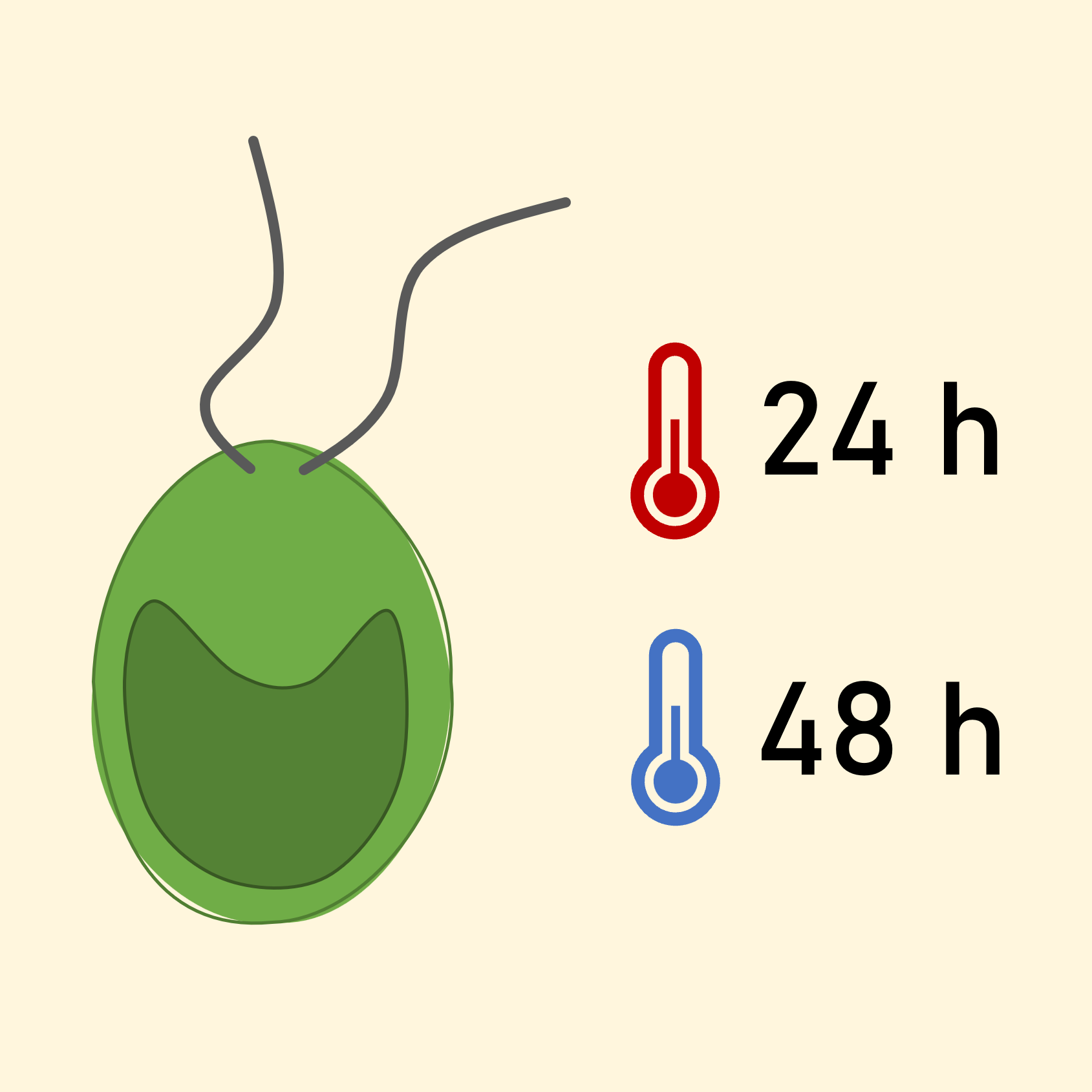
Algae cultures were grown mixotrophically (TAP). After 24h of 35°C/40°C the cells were shifted back to room temperature for 48h. 'omics samples were taken.
Updated -
HHU Plant Biochemistry / Annunziata-2025-JXB
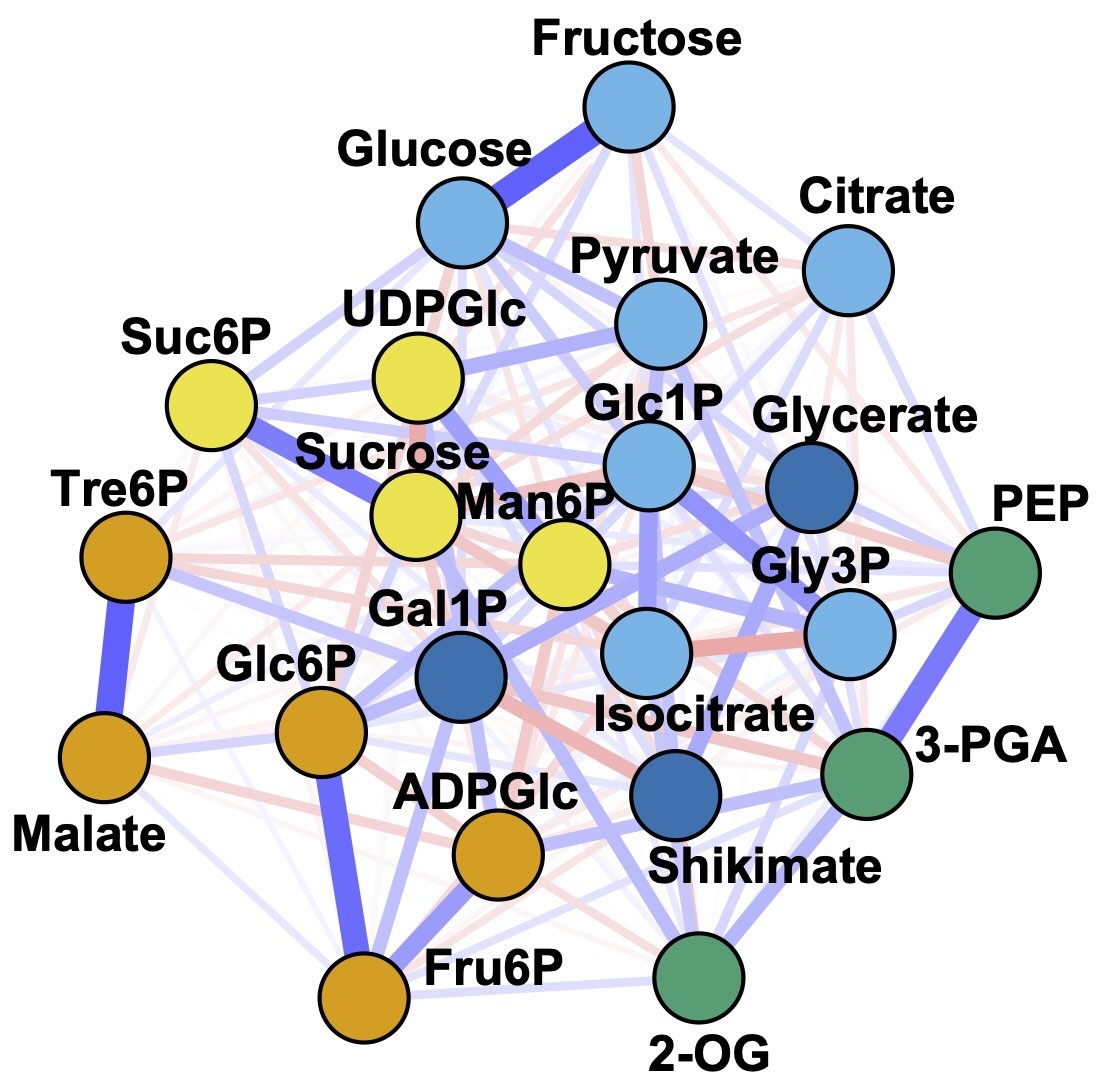
Creative Commons Attribution 4.0 InternationalThe sucrose:trehalose 6-phosphate nexus is conserved in flowering plants with different phloem loading and carbon storage strategies
Updated -
RNA seq from Solanum lycopersicoides plants, performed for the manuscript entitled "A Solanum lycopersicoides reference genome facilitates insights into tomato specialized metabolism and immunity."
Updated -
CEPLAS / Wippel-2021
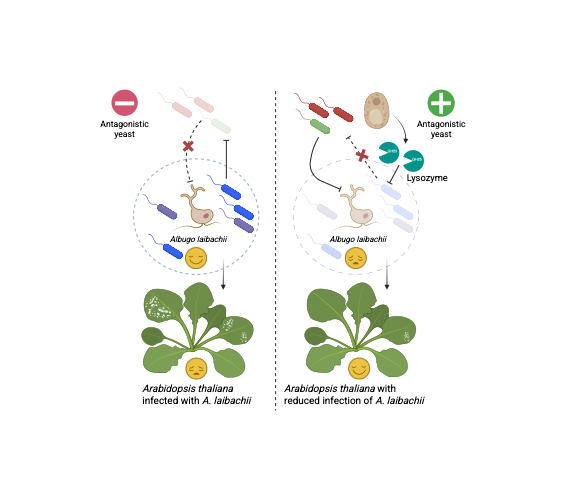
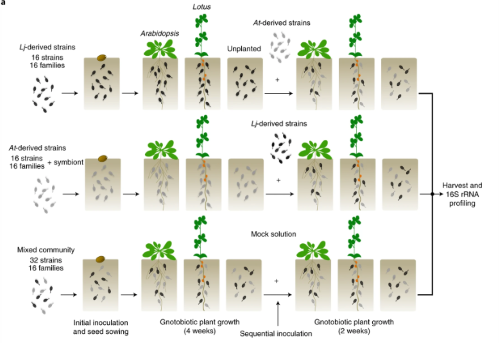
Creative Commons Attribution 4.0 InternationalHost preference and invasiveness of commensal bacteria in the Lotus and Arabidopsis root microbiota
Updated -
HHU Plant Biochemistry / Molecular plant responses to combined abiotic stresses - Sewelam et al 2020
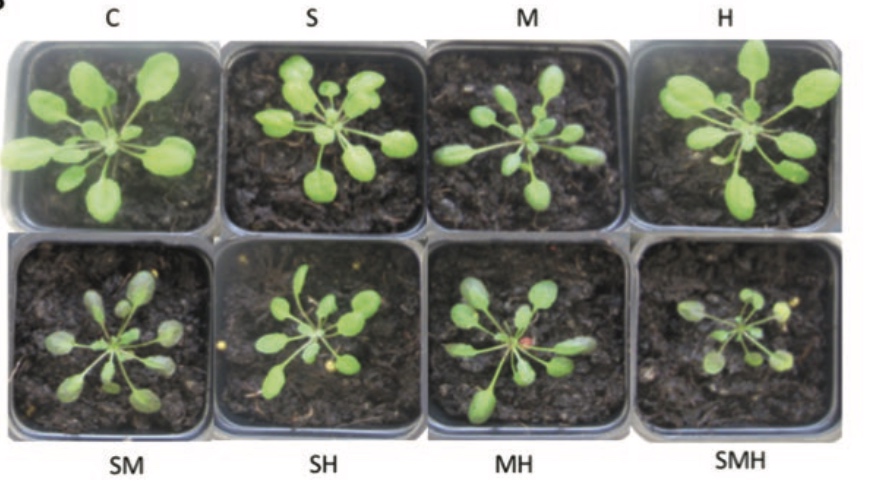
Arabidopsis molecular responses (transcript, metabolite) to single, double, and triple combinations of salt, osmotic, and heat stresses.
Updated -
CEPLAS / VonDahlen-2023
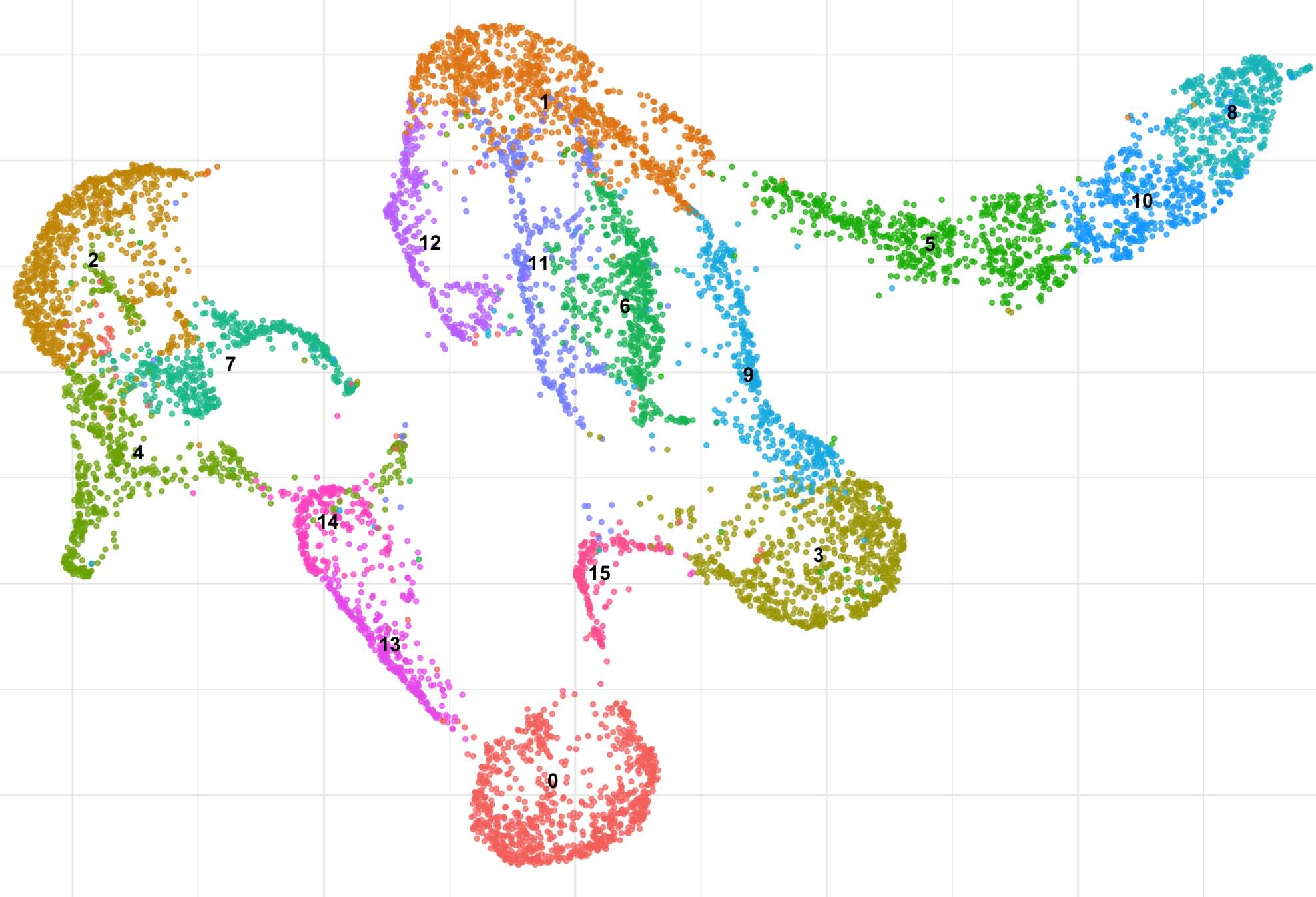
Creative Commons Attribution 4.0 InternationalGlobal expression patterns of R-genes in tomato and potato
Updated -
An example of a trial containing traits that have been scored multiple times over a period of time.
Updated -
CEPLAS / Camellia_sinensis_genomics
Creative Commons Attribution 4.0 InternationalPangenome of Camellia sinensis
Updated -
Updated
-
CEPLAS / Gao-2024
Creative Commons Attribution Non Commercial No Derivatives 4.0 InternationalExploring natural genetic variation in photosynthesis-related traits of barley in the field
Updated -
CEPLAS / Wrobel-2023-CastorBeanEndospermProteome
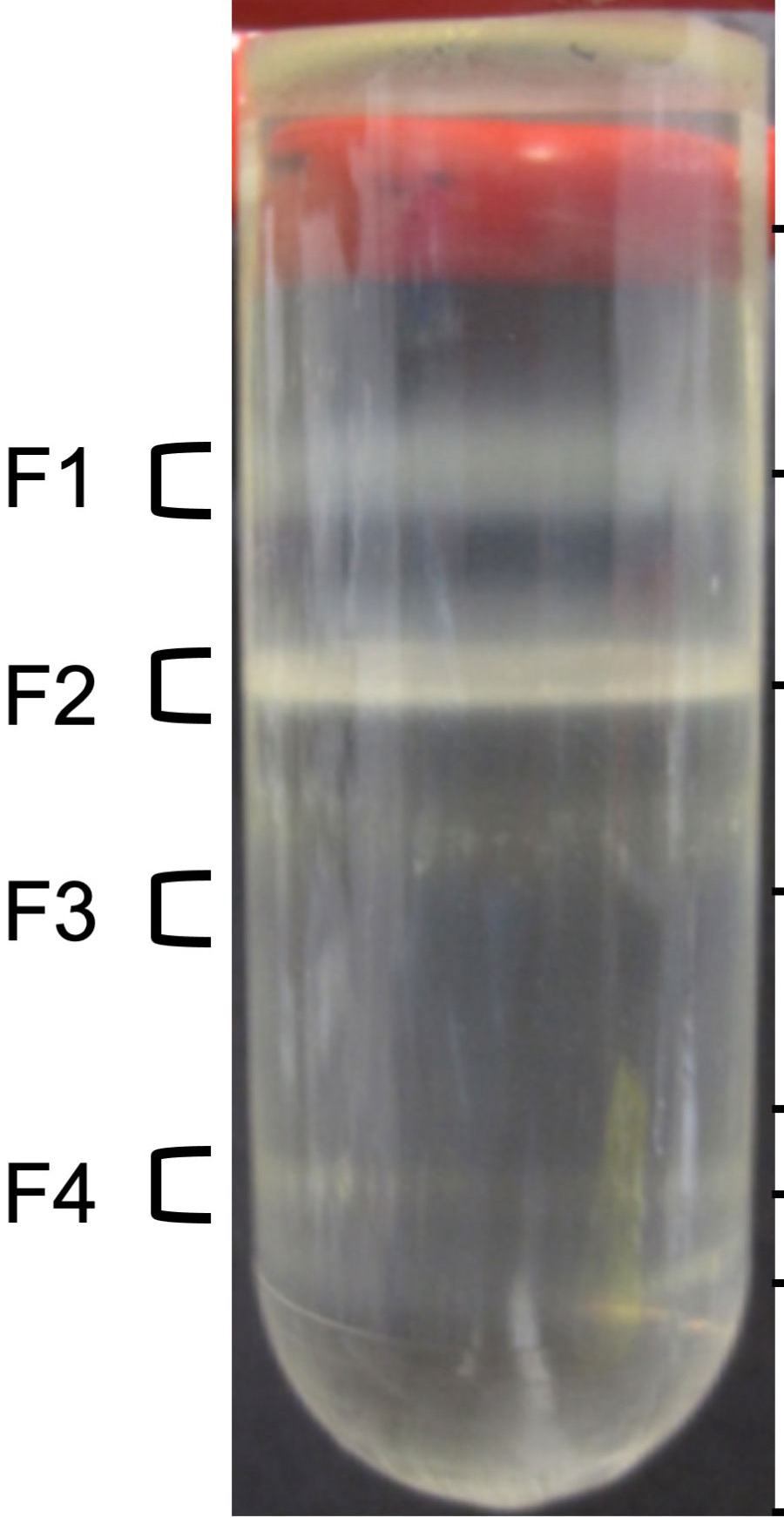
Creative Commons Attribution 4.0 InternationalMapping the castor bean endosperm proteome revealed a metabolic interaction between plastid, mitochondria, and peroxisomes to optimize seedling growth
Updated