Explore ARCs
-
Updated
-
Updated
-
SFB1535_MibiNet / Sankaranarayanan-2023
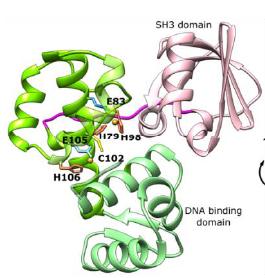
Creative Commons Attribution 4.0 InternationalFungal pathogens depend on sophisticated gene expression programs for successful infection. A crucial component is RNA regulation mediated by RNA-binding proteins (RBPs). However, little is known about the spatiotemporal RNA control mechanisms during fungal pathogenicity. Here, we discover that the RBP Khd4 defines a distinct mRNA regulon to orchestrate membrane trafficking during pathogenic development of Ustilago maydis. By establishing hyperTRIBE for fungal RBPs, we generated a comprehensive transcriptome-wide map of Khd4 interactions in vivo. We identify a defined set of target mRNAs enriched for regulatory proteins involved, e.g., in GTPase signaling. Khd4 controls the stability of target mRNAs via its cognate regulatory element AUACCC present in their 3′ untranslated regions. Studying individual examples reveals a unique link between Khd4 and vacuole maturation. Thus, we uncover a distinct role for an RNA stability factor defining a specific mRNA regulon for membrane trafficking during pathogenicity.
Updated -
Differential analysis of lpa2 mutant Chlamy complexome
Updated -
CEPLAS / Moormann-2025
Creative Commons Attribution 4.0 InternationalUpdated -
Updated
-
This repository is intended for testing purposes only.
Updated -
Updated
-
SNP2Prot / public / SNPstar
Creative Commons Attribution 4.0 InternationalARC for the SNPstar project describing the structure of the input and output data of the Snakemake workflow used for setting up a SNPstar instance.
Updated -
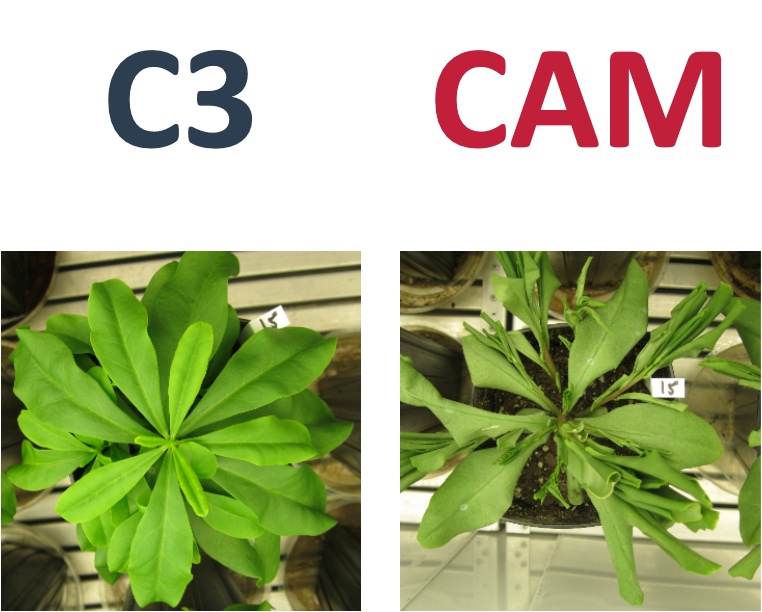
Ole Scholz / Facultative CAM in Talinum
Creative Commons Attribution 4.0 InternationalReversible Burst of Transcriptional Changes during Induction of Crassulacean Acid Metabolism in Talinum triangulare.
Updated -
-
SFB1535_MibiNet / 2025_CoBiSe
Creative Commons Attribution 4.0 InternationalA novel biosensor for ferrous iron developed via CoBiSe - A computational method for rapid biosensor design
Updated -
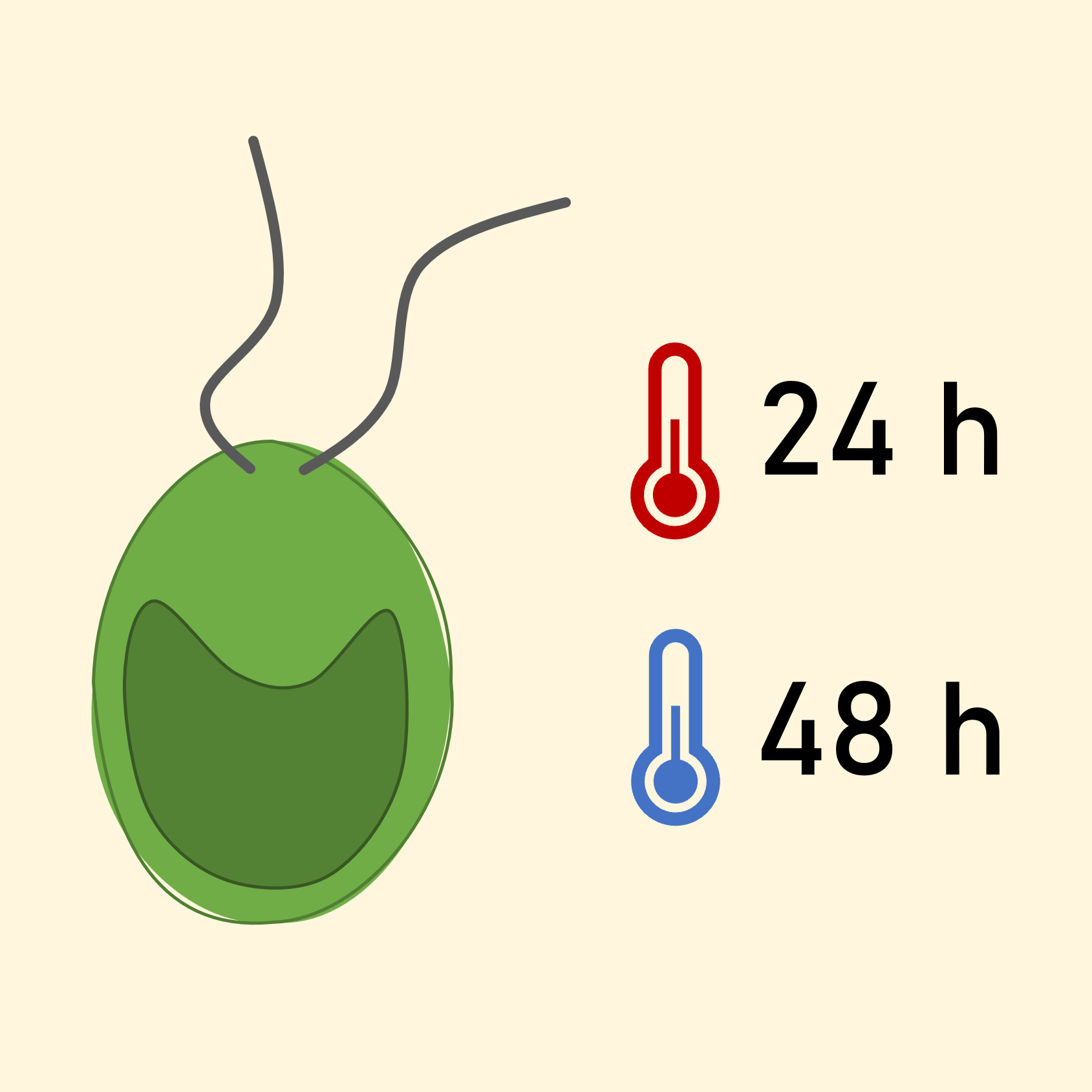
Algae cultures were grown mixotrophically (TAP). After 24h of 35°C/40°C the cells were shifted back to room temperature for 48h. 'omics samples were taken.
Updated -
SFB1535_MibiNet / 2024_GrowthCoupledHemeBiosensor
Creative Commons Attribution 4.0 InternationalThe iron-containing porphyrin heme is of high interest for the food industry for the production of artificial meat as well as for medical applications, e.g. for anemia treatment. Recently, the biotechnological platform strain Corynebacterium glutamicum has emerged as a promising host for animal-free heme production. Beyond engineering of complex heme biosynthetic pathways, improving heme export offers significant yet untapped potential for enhancing production strains. In this study, a growth-coupled biosensor was designed to impose a selection pressure on the increased expression of the hrtBA operon encoding an ABC-type heme exporter in C. glutamicum. For this purpose, the promoter region PhrtB was replaced with that of the growth-regulating genes pfkA (phosphofructokinase) and aceE (pyruvate dehydrogenase), creating biosensor strains with a selection pressure for hrtBA activation. Resulting sensor strains were used for plate-based selections and for a repetitive batch f(luorescent)ALE using a robotics platform. Genome sequencing of isolated clones featuring increased hrtBA expression revealed three distinct mutational hotspots: (i) chrS, (ii) chrA, and (iii) cydD. Mutations in the genes of the ChrSA two-component system, which regulates hrtBA in response to heme levels, were identified as a promising target to enhance export activity. Furthermore, causal mutations within cydD, encoding an ABC-transporter essential for cytochrome bd oxidase assembly, were confirmed by the construction of a deletion mutant, which showed strongly increased hrtBA expression as well as increased cellular heme levels. These results further support the proposed role of CydDC as a heme transporter. Mutations identified in this study therefore underline the potential of biosensor-based growth coupling and provide promising engineering targets to improve microbial heme production.
Updated -
Sanja Zenker / Athaliana_timecourse
Creative Commons Attribution 4.0 InternationalUpdated