
Explore DataPLANT
Discover ARCs, projects and groups. Share and contribute to ARCs with the DataPLANT community.
-
-

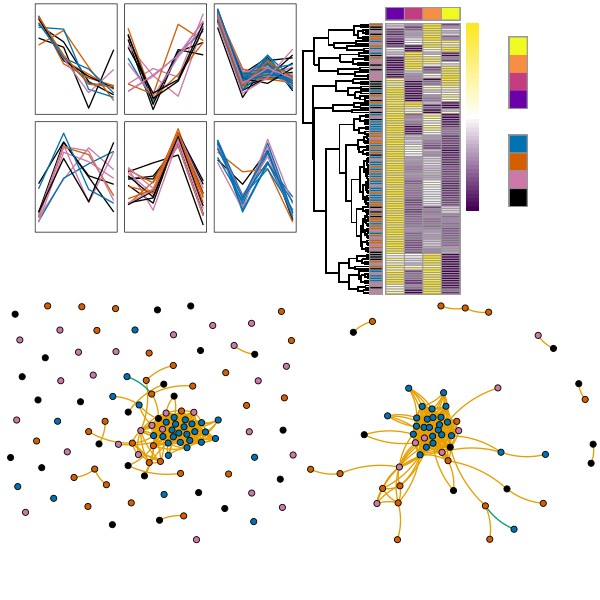
MAdLand Project - Höcker Lab
Co-action of COP1, SPA and cryptochrome in light signal transduction and photomorphogenesis of the moss Physcomitrium patens
The Arabidopsis COP1/SPA ubiquitin ligase suppresses photomorphogenesis in darkness. In the light, photoreceptors inactivate COP1/SPA to allow a light response. While SPA genes are specific to the green lineage, COP1 also exists in humans. This raises the question of when in evolution plant COP1 acquired the need for SPA accessory proteins. We addressed this question by generating Physcomitrium Ppcop1 mutants and comparing their visible and molecular phenotypes with those of Physcomitrium Ppspa mutants. The phenotype of Ppcop1 nonuple mutants resembles that of Ppspa mutants. Most importantly, both mutants produce green chloroplasts in complete darkness. They also exhibit dwarfed gametophores, disturbed branching of protonemata and absent gravitropism. RNA-sequencing analysis indicates that both mutants undergo weak constitutive light signaling in darkness. PpCOP1 and PpSPA proteins form a complex and they interact via their WD repeat domains with the VP motif of the cryptochrome CCE domain in a blue light-dependent manner. This resembles the interaction of Arabidopsis SPA proteins with Arabidopsis CRY1, and is different from that with Arabidopsis CRY2. Taken together, the data indicate that PpCOP1 and PpSPA act together to regulate growth and development of Physcomitrium. However, in contrast to their Arabidopsis orthologs, PpCOP1 and PpSPA proteins execute only partial suppression of light signaling in darkness. Hence, additional repressors may exist that contribute to the repression of a light response in dark-exposed Physcomitrium.
The Plant Journal 114: 159–175; https://doi.org/10.1111/tpj.16128
Updated -
-
Updated
-
 Updated
 -
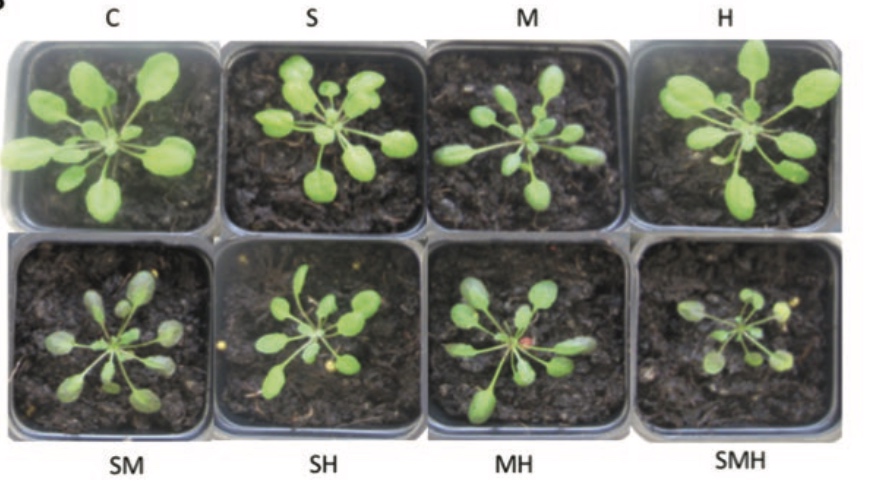
HHU Plant Biochemistry / Molecular plant responses to combined abiotic stresses - Sewelam et al 2020
Arabidopsis molecular responses (transcript, metabolite) to single, double, and triple combinations of salt, osmotic, and heat stresses.
Updated -
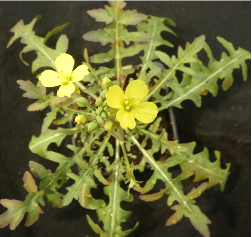
Physiology, biochemistry and anatomy of young fully developed leaves from Brassicaceae species with C3 and C3-C4 (C2) photosynthesis
Updated -

-
Updated
-
Updated
-
-

Oxa was applied to human cells and checked for antifibrotic effects
Updated -
Updated
-
Sample ARC created with the data from the Metabolights project MTBLS338. Only ISA part provided, no CWL (runs and workflows).
Updated -
 archived 1Updated