Explore ARCs
-
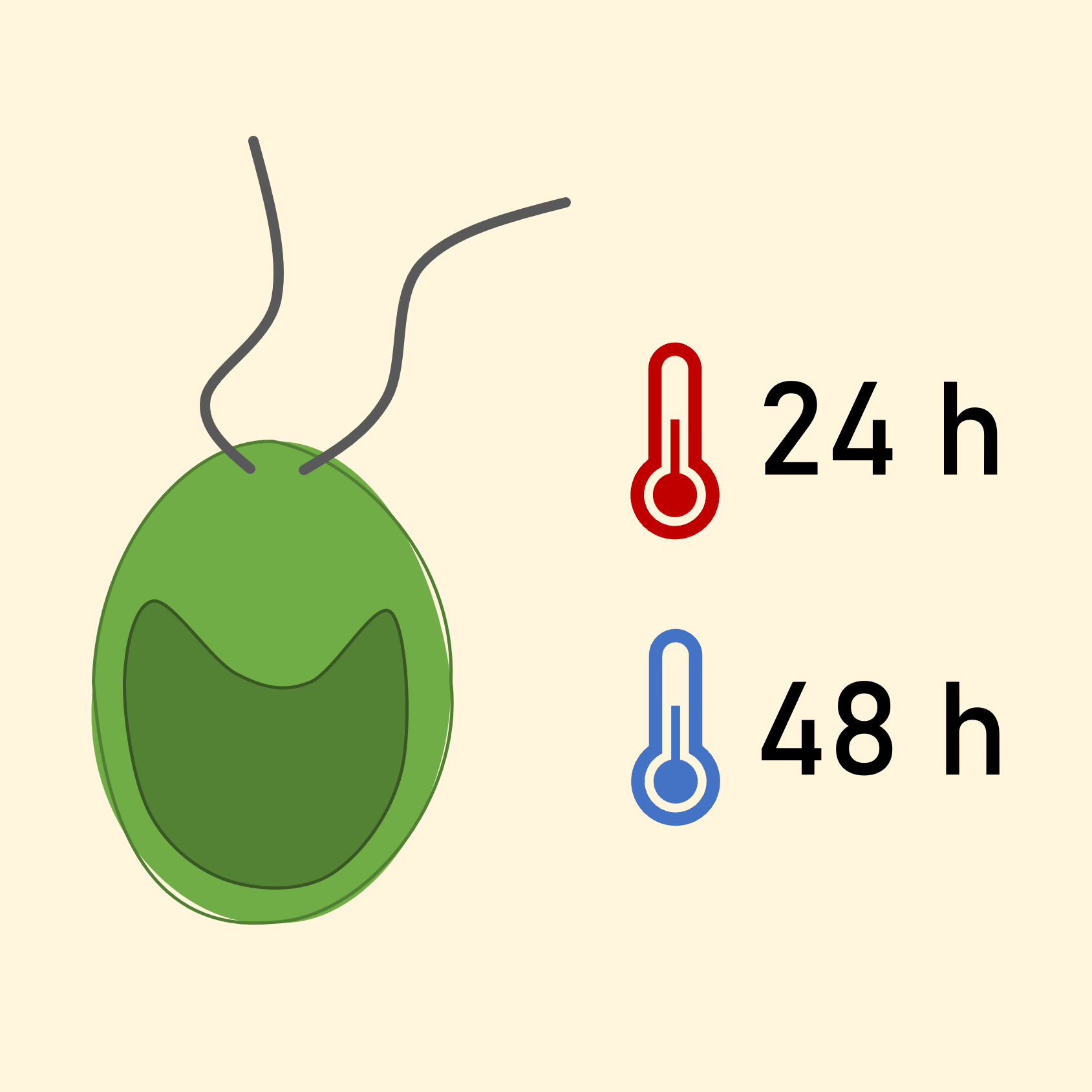
Algae cultures were grown mixotrophically (TAP). After 24h of 35°C/40°C the cells were shifted back to room temperature for 48h. 'omics samples were taken.
Updated -
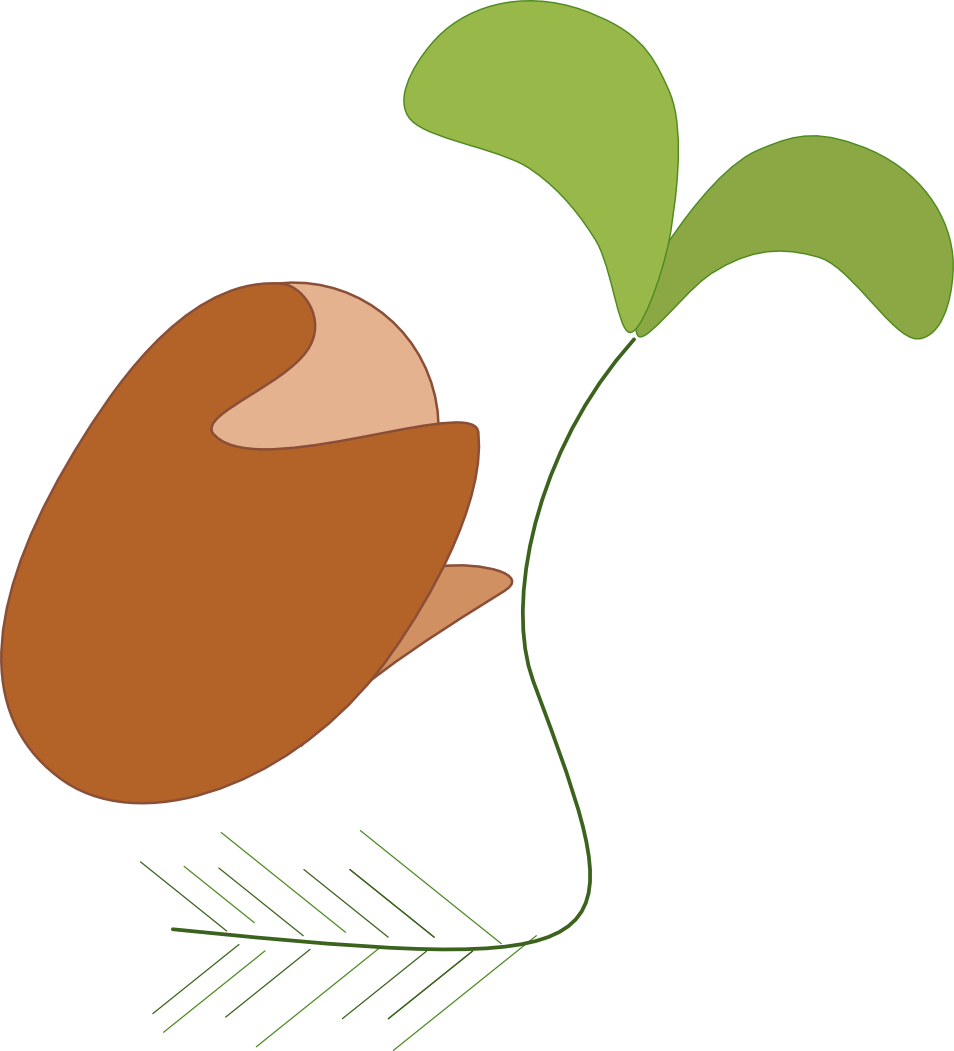
Seeds should not germinate in conditions unsuitable for seedling growth. Dormancy, which allows seeds to remain inactive in an environment that would otherwise enable germination, helps optimise the timing of germination. Primary dormancy, developed during seed maturation on the parent plant, prevents immediate germination post-dispersal, regardless of external conditions. Secondary dormancy, however, is triggered post-dispersal when seeds face unfavourable conditions, enabling them to re-enter dormancy even if initially non-dormant. This mechanism allows seeds to fine-tune germination according to environmental conditions. In this study, we examined the role of heat-induced secondary dormancy in local adaptation by analysing natural variations within 361 Arabidopsis thaliana accessions from across Europe. We discovered that secondary dormancy acquisition varies with primary dormancy levels and after-ripening. Both primary and heat-induced secondary dormancy exhibited adaptive clines along temperature and precipitation gradients, with secondary dormancy showing a steeper cline, indicating its significant role in local adaptation. Using species distribution models, we predicted that genotypes with high secondary dormancy would show greater resilience to future climate changes. Additionally, we identified specific genomic regions controlling secondary dormancy levels including a novel candidate gene for secondary dormancy variation. Our findings show that secondary dormancy is a complex adaptive mechanism and a predominant contributor to the dormancy trait syndrome that favours plant survival in habitats exposed to harsh summers.
Updated -
SHAPE / Shape
Creative Commons Attribution 4.0 InternationalUpdated -
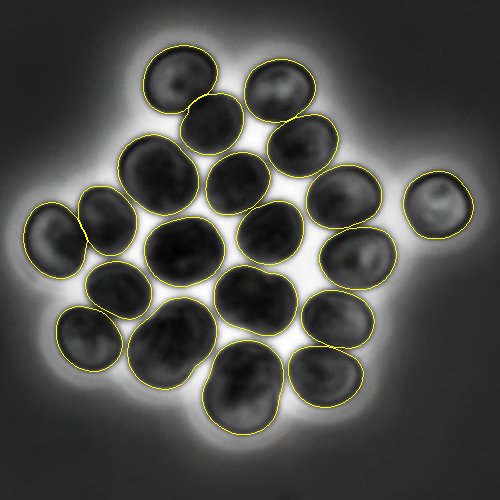
Computational Systems Biology / Morphomapper
Creative Commons Attribution 4.0 InternationalUpdated -
Ole Scholz / Facultative CAM in Talinum
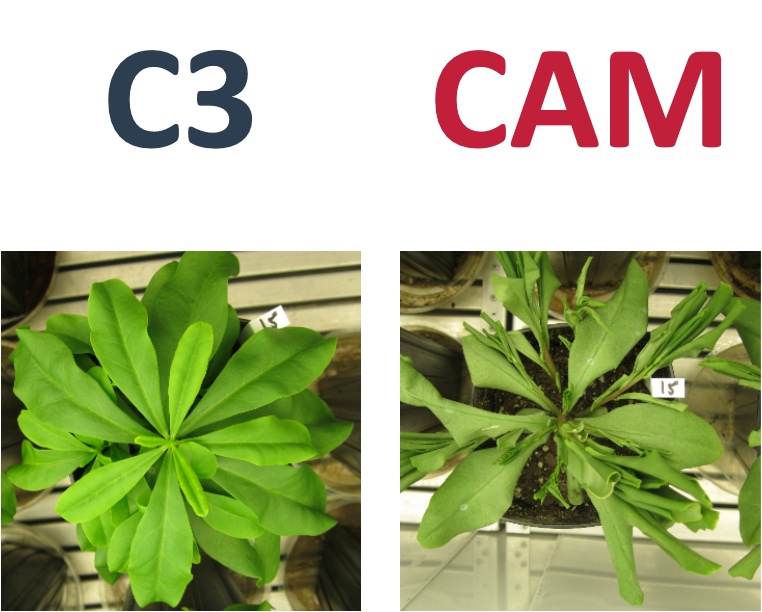
Creative Commons Attribution 4.0 InternationalReversible Burst of Transcriptional Changes during Induction of Crassulacean Acid Metabolism in Talinum triangulare.
Updated -
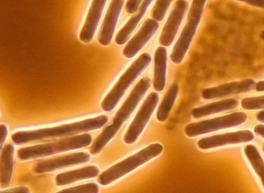
Usadellab / 2026_Geobacillus_thermoleovorans
Creative Commons Attribution 4.0 InternationalUpdated -
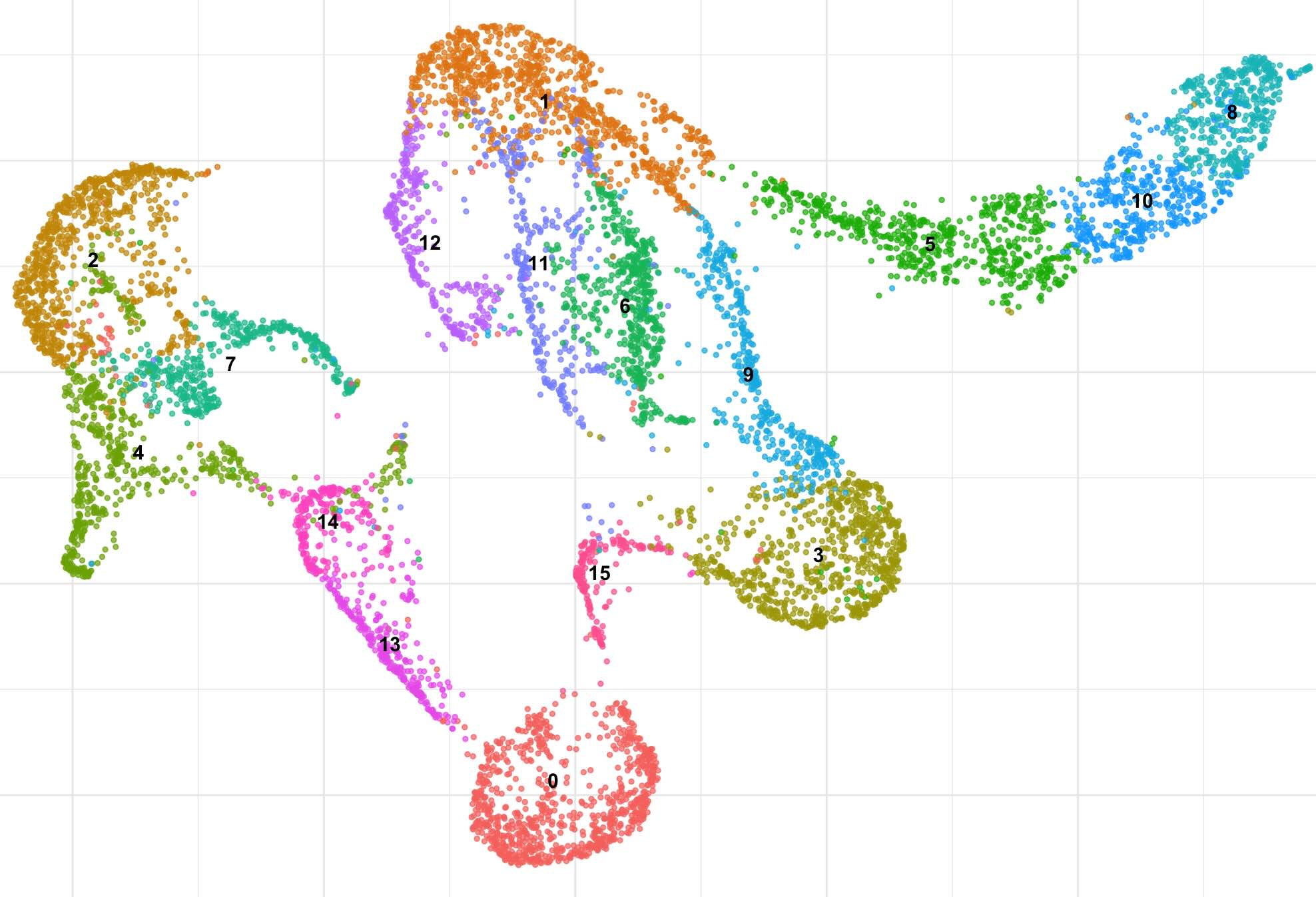
Integrating landscape transcriptomics approach, in-situ trait phenotyping, and machine learning to unravel genes associated with ecologically relevant traits.
Updated -
-
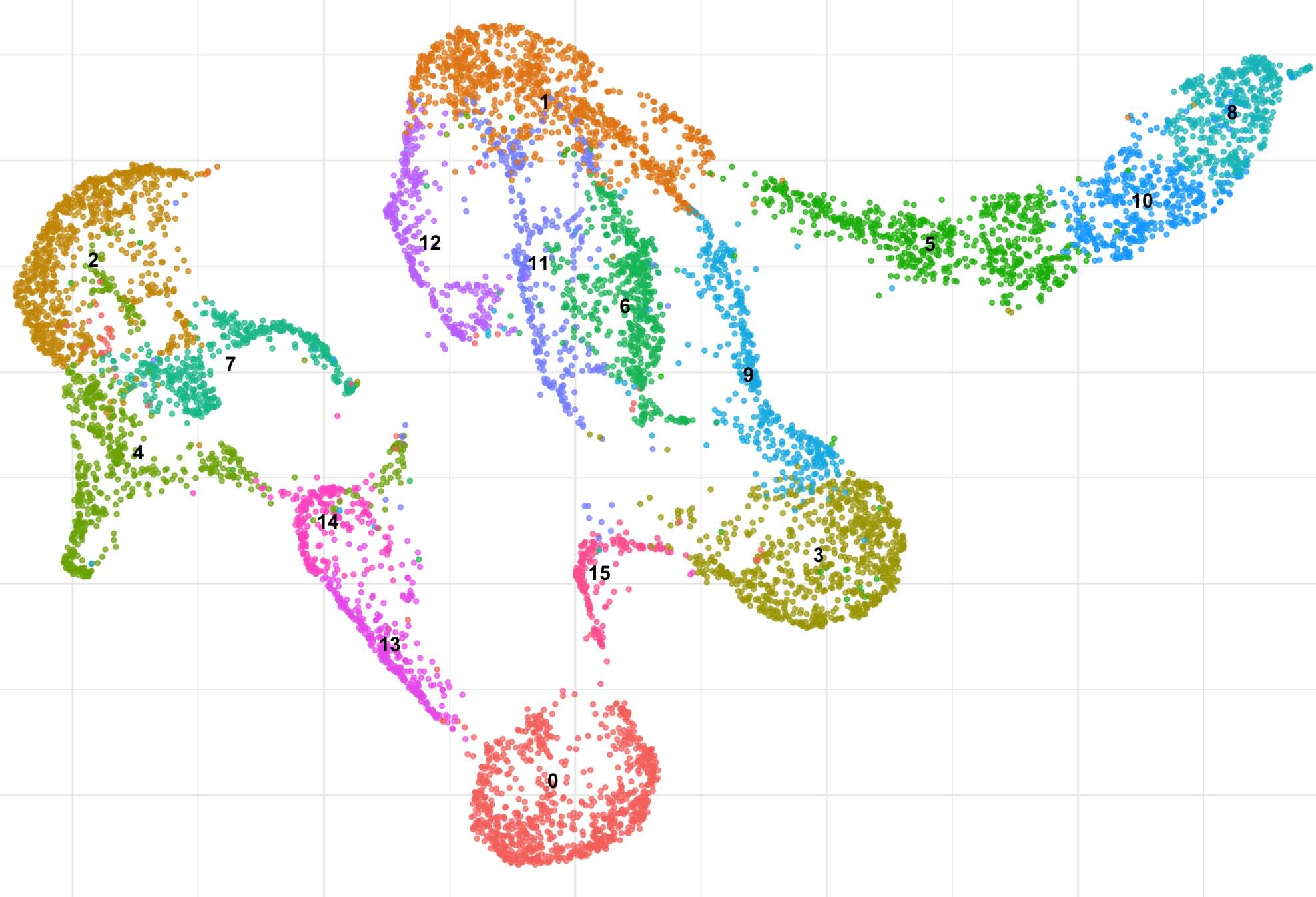
SFB1535_MibiNet / 2026_Synechocystis_single-cell_circadian
Creative Commons Attribution 4.0 InternationalUpdated -
Ruben Eichfeld / ARC_SiCHIT2_B
Creative Commons Attribution 4.0 InternationalUpdated -
CEPLAS / ARC_SiCHIT2_B
Creative Commons Attribution 4.0 InternationalUpdated -
PlantChromatin / FT_Genome_Biology_2026
Creative Commons Attribution 4.0 InternationalThis ARC contains data and instruction to recapitulate bioinformatics pipelines excecuted in the manuscript [comment: insert final link] Cis-regulatory architecture downstream of FLOWERING LOCUS T underlies quantitative control of flowering in Arabidopsis thaliana by Hao-Ran Zhou (周豪然), Duong Thi Hai Doan, Thomas Hartwig and Franziska Turck, published in Genome Biology (2026).
Updated -
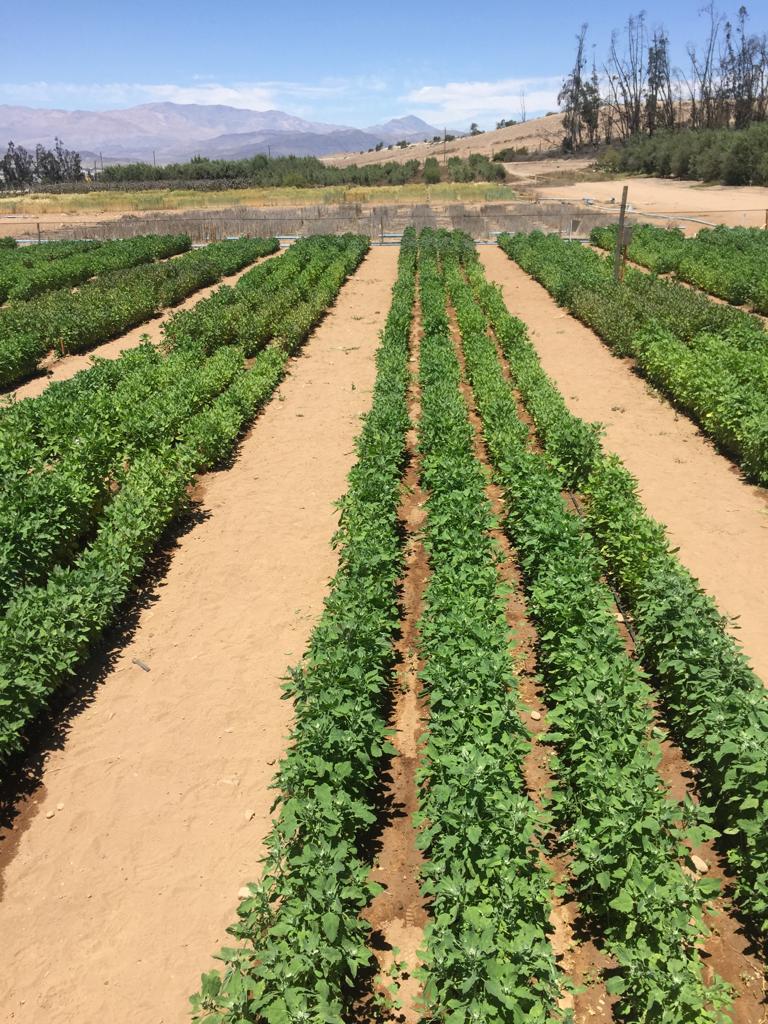
Usadellab / Quinoa_Chileanfieldtrial
Creative Commons Attribution 4.0 InternationalMorphological and Physiological Traits Associated with Yield under Reduced Irrigation in Chilean Coastal Lowland Quinoa
Updated -
Matthias Lange / Curated_wheat_historical_phenotypic_data_from_European_Genebanks
Creative Commons Attribution 4.0 InternationalUpdated -
SFB1535_MibiNet / Kaplunova_2025_TPJ
Creative Commons Attribution 4.0 InternationalArtificial Soil (ArtSoil): recreating soil conditions in synthetic plant growth media
Updated -
SFB1535_MibiNet / A08_MGlucoMeter2.6
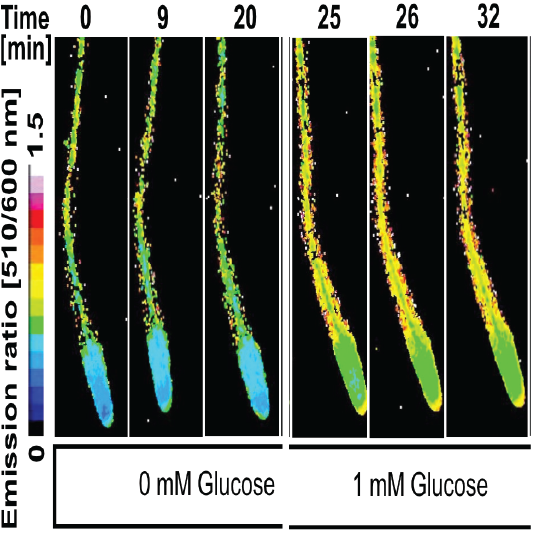
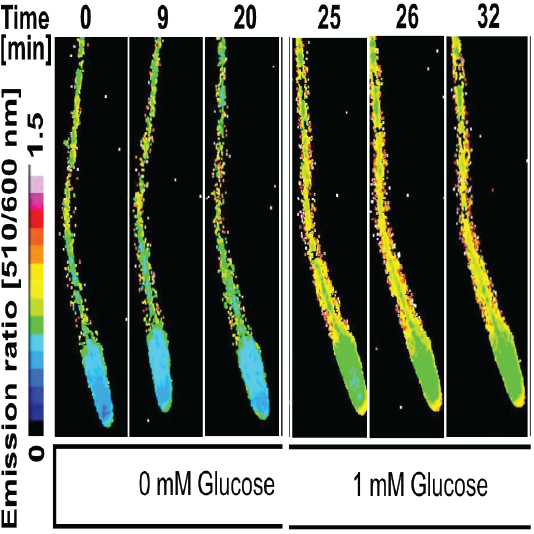
Creative Commons Attribution Non Commercial 4.0 InternationalA new series of ultrasensitive and ratiometric genetically encoded nanosensors https://doi.org/10.1101/2025.09.27.678933
Updated -
HHU_MolPhys_Frommer / Published_manuscripts / suxManuscript2025
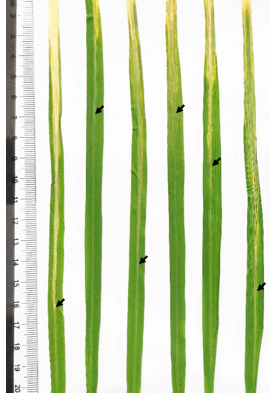
Creative Commons Attribution 4.0 InternationalThe virulence of Xanthomonas oryzae pv. oryzae, the causal agent of bacterial blight (BB) of rice, critically depends on the activation of SWEET sucrose uniporters of the host. To date, the role of SWEET-released sucrose for virulence remains unclear. We here identified the sux locus of Xoo, consisting of a LacI-type repressor (SuxR), an outer membrane TonB-like porin (SuxA), an inner membrane MFS H+-symporter (SuxC), and a cytosolic sucrose hydrolase (SuxB). Structural and functional analyses demonstrate that SuxB has exclusive sucrose hydrolase activity. Mutant analyses show that the transporter SuxC and the sucrose hydrolase are necessary for growth of bacteria on sucrose, while SuxA is not essential, likely due to the ability of other porins to transport sucrose across the outer membrane. Consistent with a role of SuxR as a sucrose repressor, transcriptome studies show sucrose-dependent regulation of the suxA/suxB genes. Besides a role of sucrose for reproduction, we found that sucrose promotes motility, EPS production, biofilm formation, and virulence. Notably, the SuxC sucrose H+-symporter and the sucrose hydrolase SuxB were required for full virulence of Xoo on indica and japonica rice varieties. Our findings indicate that pathogen-induced sucrose efflux via SWEETs provides sucrose to Xoo, that Xoo uses the suxgene cluster to acquire and utilize sucrose, and that sucrose promotes bacterial fitness and xylem colonization.
Updated -
HHU_MolPhys_Frommer / Published_manuscripts / MGlucoMeter 2.6
Creative Commons Attribution Non Commercial 4.0 InternationalA new series of ultrasensitive and ratiometric genetically encoded nanosensors https://doi.org/10.1101/2025.09.27.678933
Updated -
HHU_MolPhys_Frommer / Published_manuscripts / Kaplunova_2025_TPJ
Creative Commons Attribution 4.0 InternationalArtificial Soil (ArtSoil): recreating soil conditions in synthetic plant growth media
Updated